Investing in the right cut-to-length line is a complex decision that requires careful consideration. As an experienced cut to length machine factory, BOYA understands the challenges and uncertainties customers face during the selection process. This article will guide you through four essential dimensions to help you make a more informed decision.
Understanding Your Material Requirements: The Foundation of Selection
Every material has unique physical characteristics that directly influence the configuration of your cut-to-length line. Before contacting any cut to length machine factory, it's crucial to clarify the types of materials you will be processing.
Material Types and Thickness
Different materials have significantly different tensile strengths and elongation properties:
Low Carbon Steel: Good ductility, relatively lower shear force requirements
High-Strength Steel (HSS): Tensile strength exceeding 600MPa, requires higher rigidity shearing systems
Stainless Steel: Prone to work hardening, demands special blade materials and precise gap control
Aluminum: Softer material, requires special design to prevent surface scratching
Thickness range directly determines equipment specifications:
Thin Plate (0.2-3mm): Suitable for high-speed flying shears, prioritizing efficiency
Medium Plate (3-12mm): Requires balance between speed and shearing force
Heavy Plate (12mm+): Typically uses stop-start shears or crank shears to ensure cross-section quality
Width and Coil Weight
Material width determines the roll system length, while coil weight affects uncoiler design and structural load capacity. A line designed for 800mm width cannot meet the production demands of 1500mm wide plates.
Practical Advice: Before contacting any cut to length machine factory, prepare a clear "material matrix" listing all current and potential future materials, including types, thickness ranges, width requirements, and estimated annual production volumes.
Matching Cutting Technology to Your Production Goals
The shearing unit is the heart of any cut-to-length line. Different cutting technologies suit different production scenarios. Understanding these differences will help you communicate more effectively with your chosen cut to length machine factory.
Flying Shears: Balancing Speed and Precision
Flying shears cut the material while it is moving, eliminating the need for line stops—ideal for continuous production.
Ideal Applications:
High-volume, continuous production
Thin plate processing where efficiency is paramount
Integration with continuous processing lines (pickling lines, color coating lines)
Key Performance Indicators:
Synchronization Accuracy: How precisely the shear matches material speed
Length Range: Minimum and maximum cut lengths achievable
Shearing Frequency: Cuts per minute
Stop-Start Shears: Reliable Choice for Heavy Plates
Stop-start shears cut while the material is stationary. Though less efficient than flying shears, they deliver superior cut quality—especially for thick and hard materials.
Ideal Applications:
Heavy plate processing (typically exceeding 8-10mm)
Difficult materials like high-strength steel and wear-resistant steel
Applications demanding exceptional cross-section quality
Key Performance Indicators:
Combination Solutions
Many modern cut to length machine factory options offer hybrid solutions combining flying and stop-start shears, allowing flexible switching between efficiency and quality modes on the same production line.
Evaluating Support Systems: Levelers, Stackers, and Beyond
A cut-to-length line is far more than just a shearing machine—it's a complete system. The performance of supporting equipment often determines final output quality.
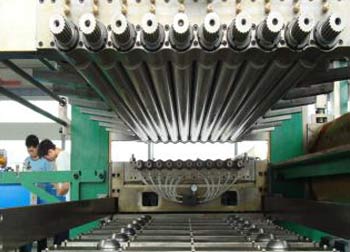
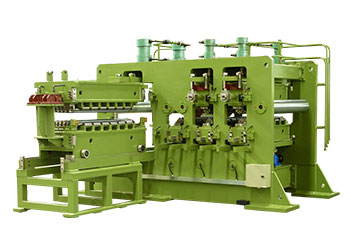
Levelers: The Guarantee of Flatness
Levelers eliminate coil curvature and residual stress, ensuring flat plates before shearing. Without proper leveling, even the most precise shearing cannot produce acceptable products.
Key Considerations:
Roll Configuration: Work roll diameter, quantity, and backup arrangement
Leveling Precision: Can it meet your customers' flatness requirements?
Adjustment Flexibility: Ease of adapting to different thicknesses and materials
Stackers: The Final Defense of Product Quality
Stackers may seem simple, but they are often where surface damage occurs. A well-designed stacking system ensures cut plates are neatly stacked without scratches or collisions.
Key Considerations:
Conveying Method: Belt, roller, or magnetic conveying
Alignment Accuracy: Side and front alignment mechanisms
Surface Protection: Measures preventing damage during stacking
Auxiliary Systems
Uncoilers: Mandrel expansion range, load capacity
Head Cutters: For removing irregular material ends
Edge Trimming: Side trimming or edge conditioning requirements
A professional cut to length machine factory will recommend optimal system configurations based on your comprehensive needs—not simply stack equipment together.
Beyond the Machine: Long-Term Partnership Considerations
Purchasing a cut-to-length line is not a one-time transaction—it's the beginning of a partnership lasting a decade or more. When selecting a cut to length machine factory, evaluation must extend far beyond the equipment itself.
After-Sales Service and Response Time
Every hour of downtime costs not only production output but also customer trust.
Questions to Ask:
Spare Parts Inventory: Are common parts in stock? Lead time from order to shipment?
Technical Support: Field service response times and coverage areas
Remote Diagnostics: Remote monitoring and fault diagnosis capabilities?
Revamping and Upgrade Capabilities
Your business evolves, materials change, market requirements advance. A quality cut-to-length line should evolve with you.
Services Worth Considering:
Control System Upgrades: Can software keep pace with technological advances?
Capacity Enhancement: Modifications to increase line speeds
Compatibility Expansion: Accommodating new material types in the future
Training and Knowledge Transfer
The ultimate performance of your equipment depends on the people operating and maintaining it.
Ideal Service Package Includes:
Operator Training: Proper utilization of all machine functions
Maintenance Training: Preventive maintenance schedules and troubleshooting
Process Optimization Guidance: Parameter adjustment recommendations for different materials
Conclusion: Making an Informed Decision
Selecting the right cut-to-length line requires comprehensive consideration. From understanding material requirements to matching cutting technology, evaluating support systems, and finally choosing a trusted long-term partner—each step is crucial.
As a professional cut to length machine factory, BOYA firmly believes that the best equipment is not necessarily the one with the most impressive specifications
—it's the one that best fits your current needs and can grow with you into the future. We recommend:
Prepare Thoroughly: Compile clear material matrices and capacity requirements
Visit Facilities: See similar installations in operation
Compare Options: Evaluate multiple suppliers' technical proposals and service commitments
Think Long-Term: Assess each supplier's comprehensive strength and development potential
If you are planning a new cut-to-length line project or seeking to optimize your existing line, contact BOYA's technical team today. We are ready to listen to your needs, share our experience, and help you make the choice that's right for you.

 English